LatestDevelopers9 min
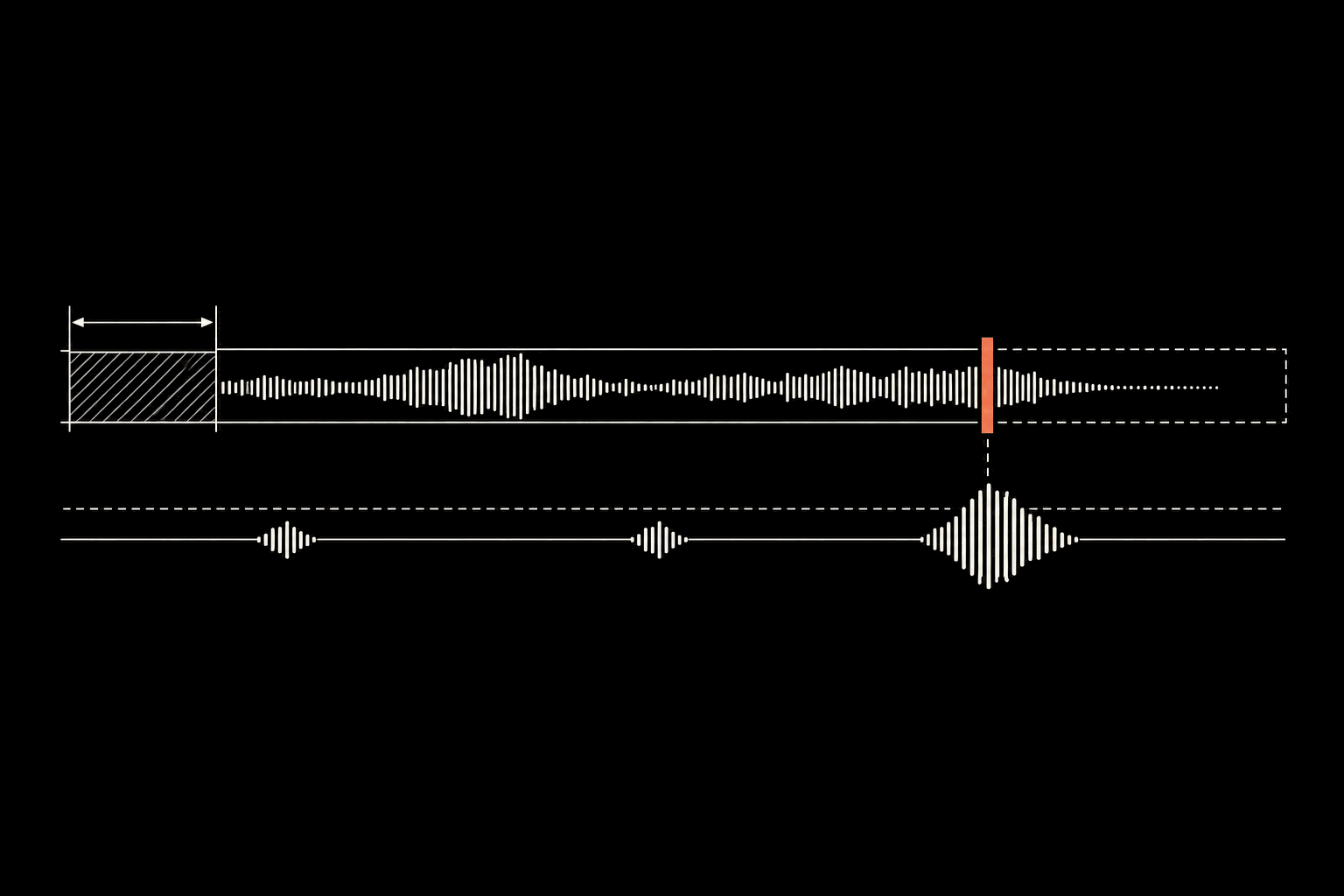
Turn detection that doesn't talk over you
How our voice agent's turn detection decides a caller has finished, when an interruption is real and when to stay quiet, and the incidents behind it.
Read the pieceBlog
Engineering write-ups and product releases from the team building Talkif.
LatestDevelopers9 min
How our voice agent's turn detection decides a caller has finished, when an interruption is real and when to stay quiet, and the incidents behind it.
Read the pieceIntegrations
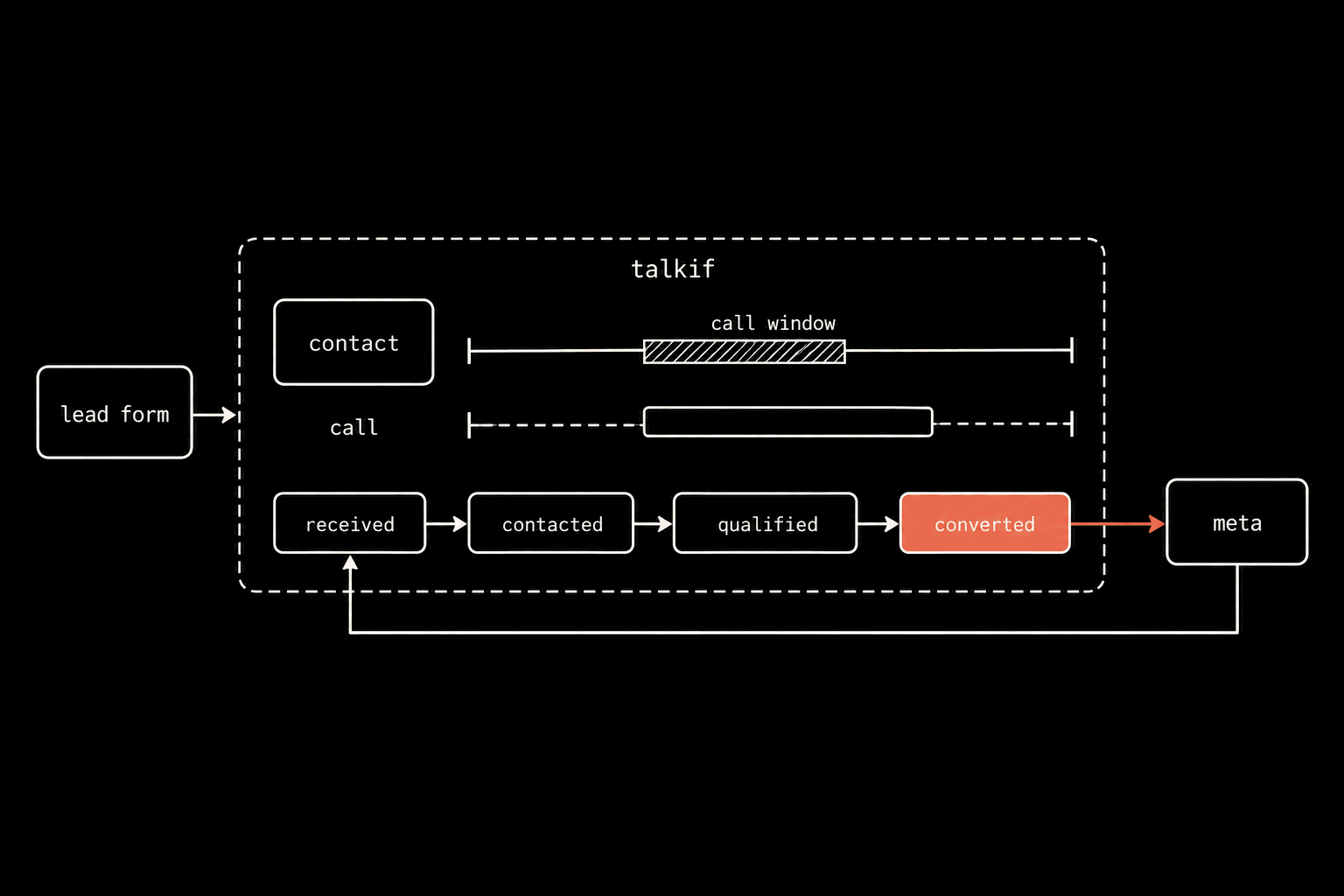
Connect Meta lead ads to Talkif: each lead is called within your calling hours, and received, contacted, qualified and converted go back to Meta.
Developers
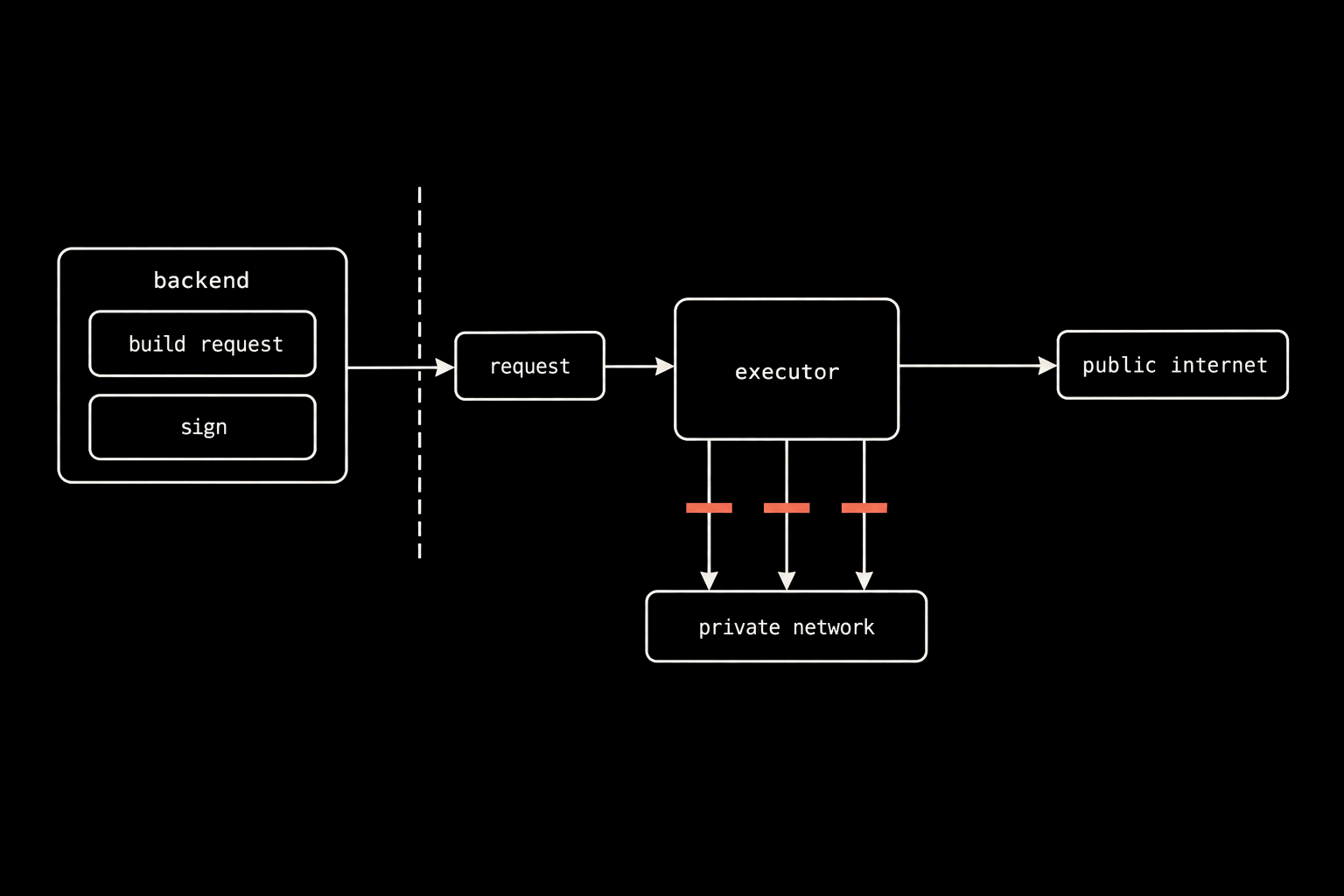
Webhook SSRF closed twice: the process with your secrets never sends, and the process that sends can reach only the public internet.
Developers
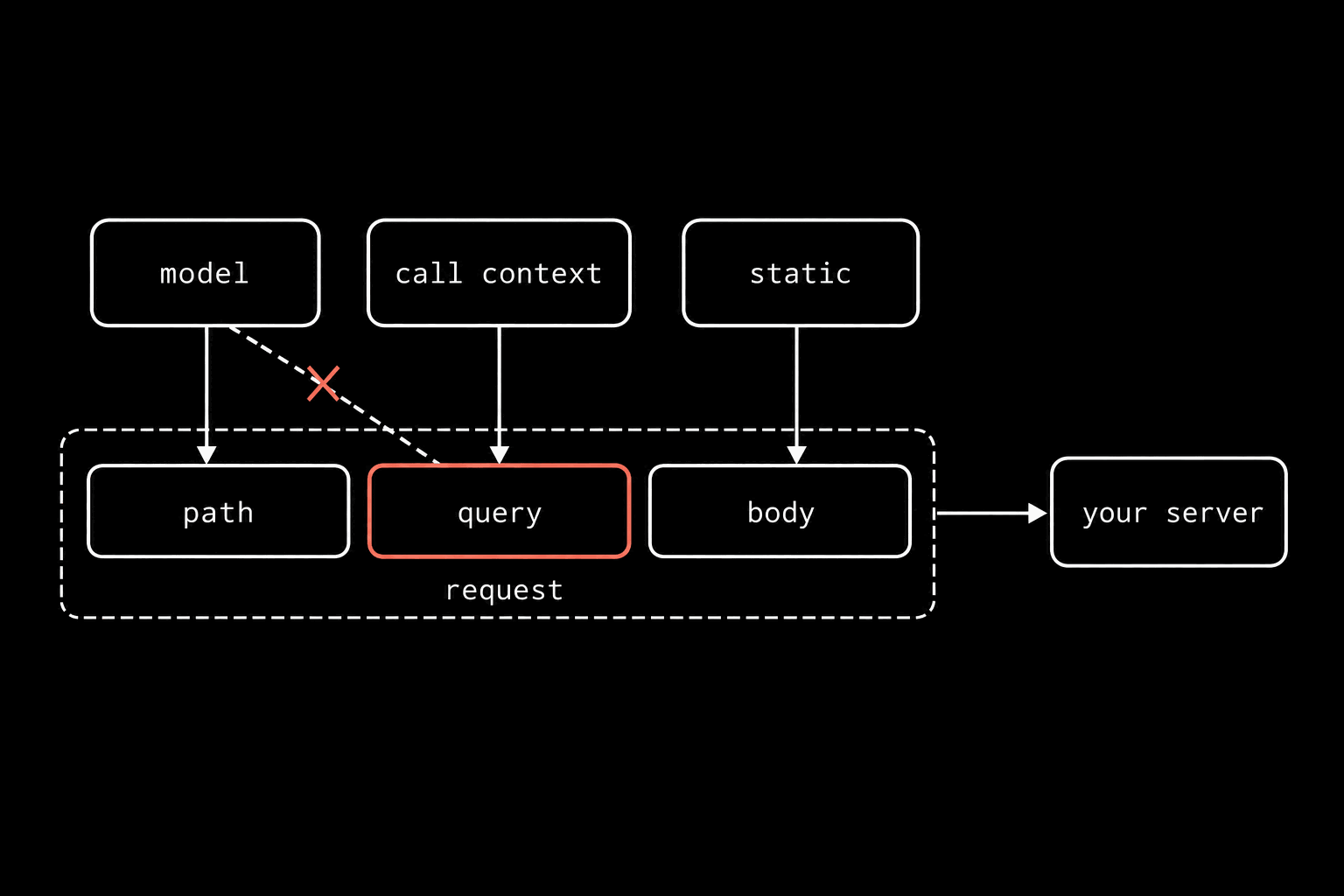
Voice agent function calling on Talkif: describe the endpoint once, then bind each parameter to the model, the call or a fixed value no caller can spoof.
Developers
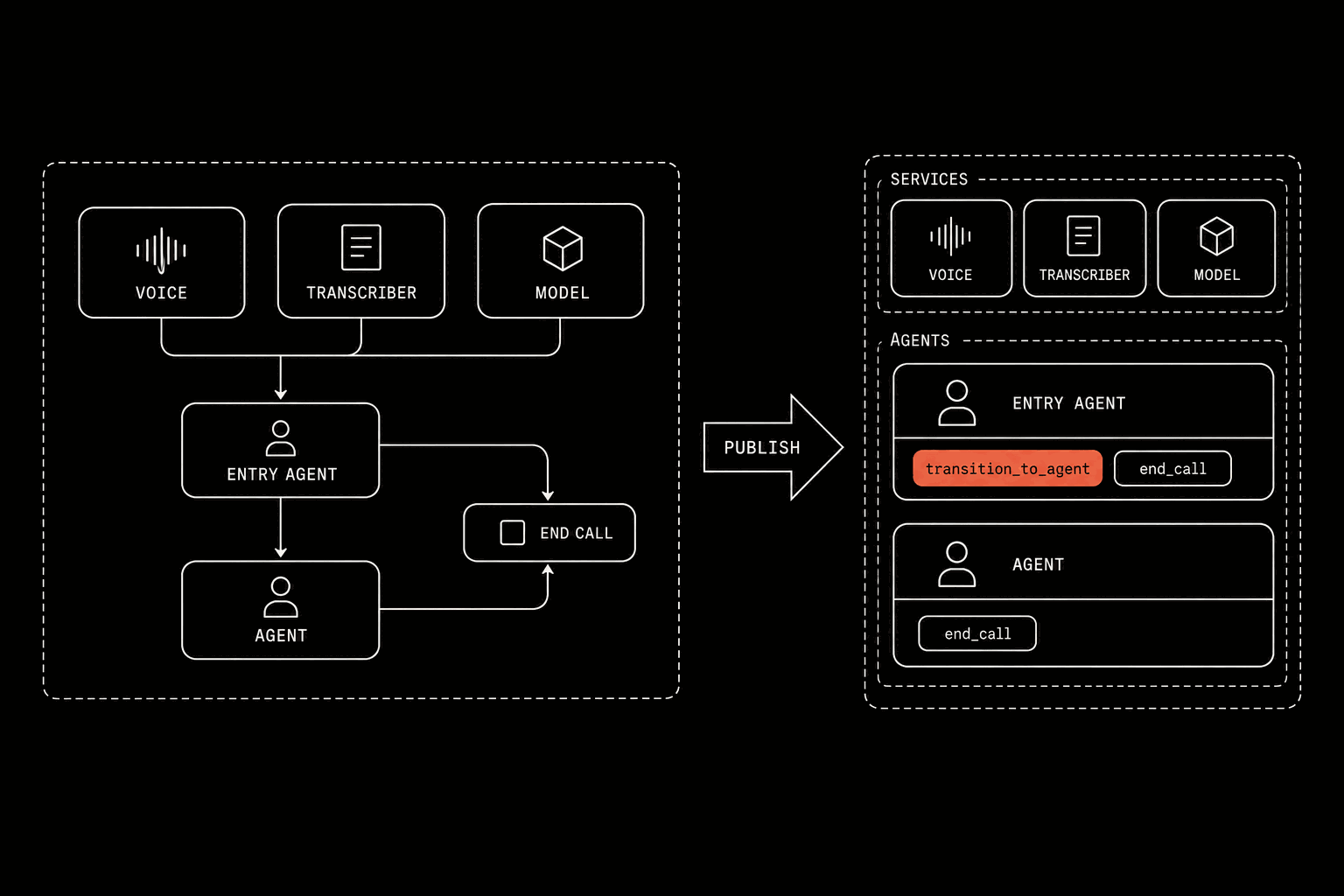
The flow builder canvas is compiled twice: publish resolves, validates and flattens it into nodes and tools; call start binds the caller.
Developers
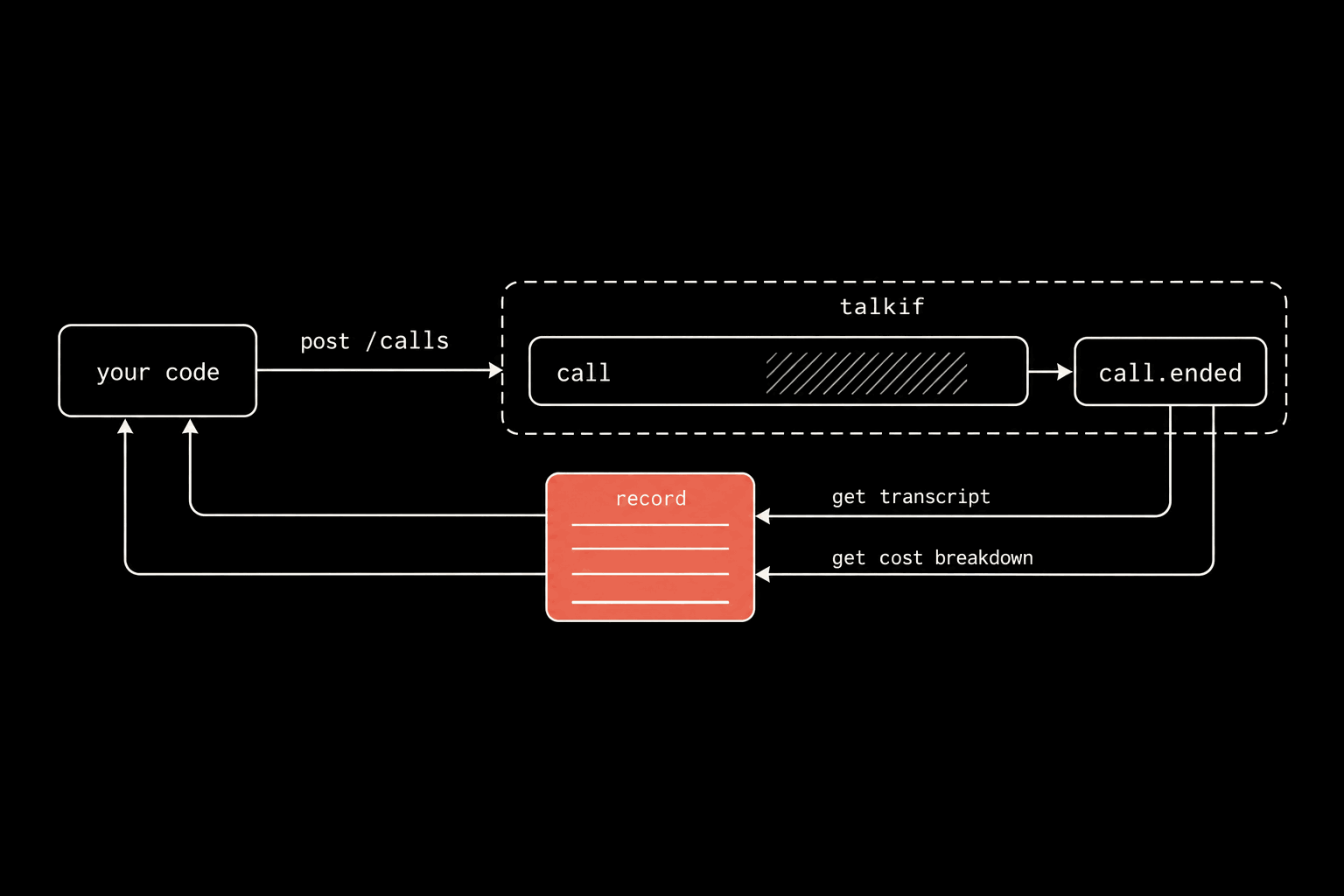
One POST to the outbound call API places the call, one WebSocket frame says when it ended, and two GETs return the call transcript and the cost breakdown.
Product
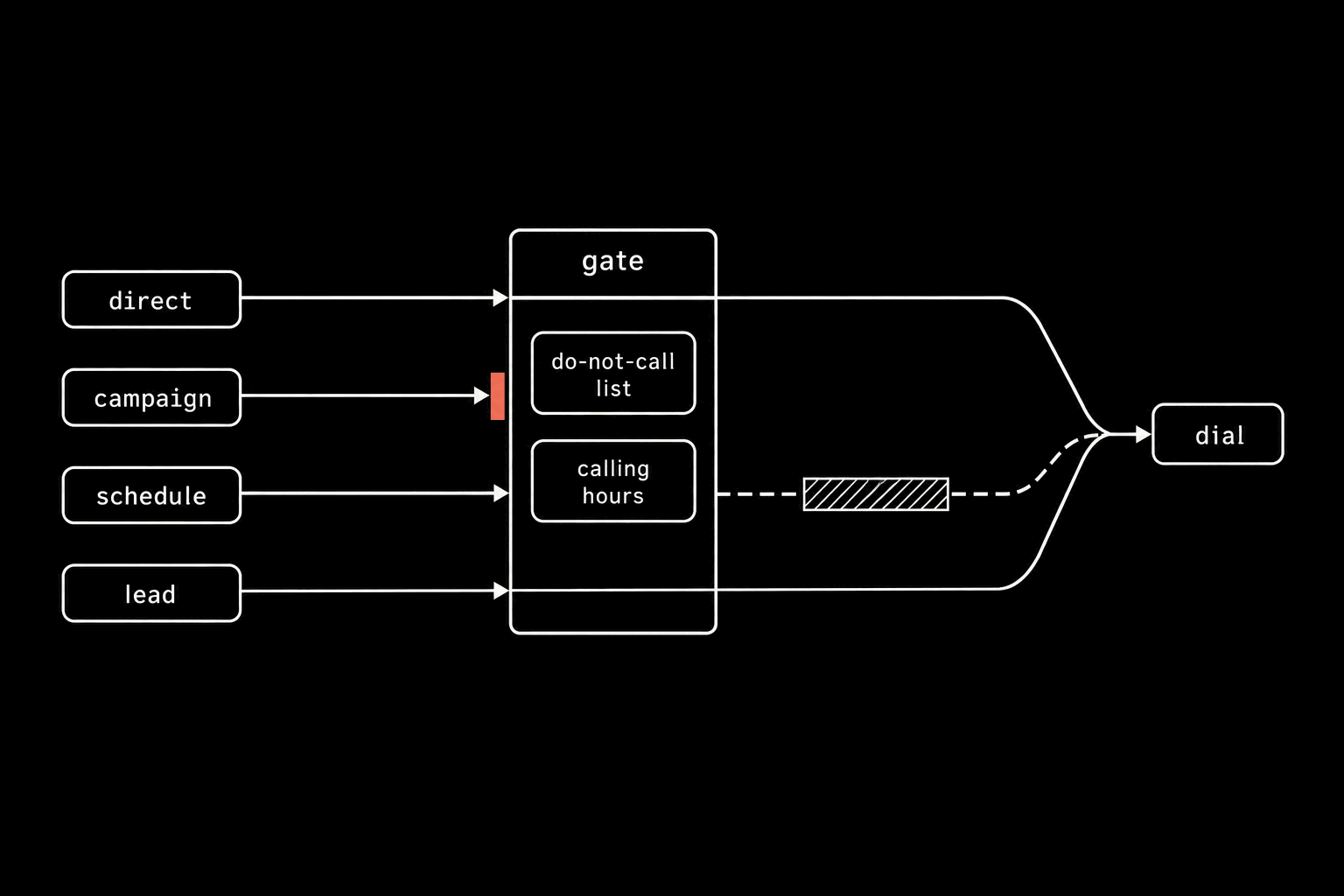
Outbound calling compliance at two chokepoints: the do-not-call list and calling hours are checked where every call passes, so nothing routes around them.
Developers
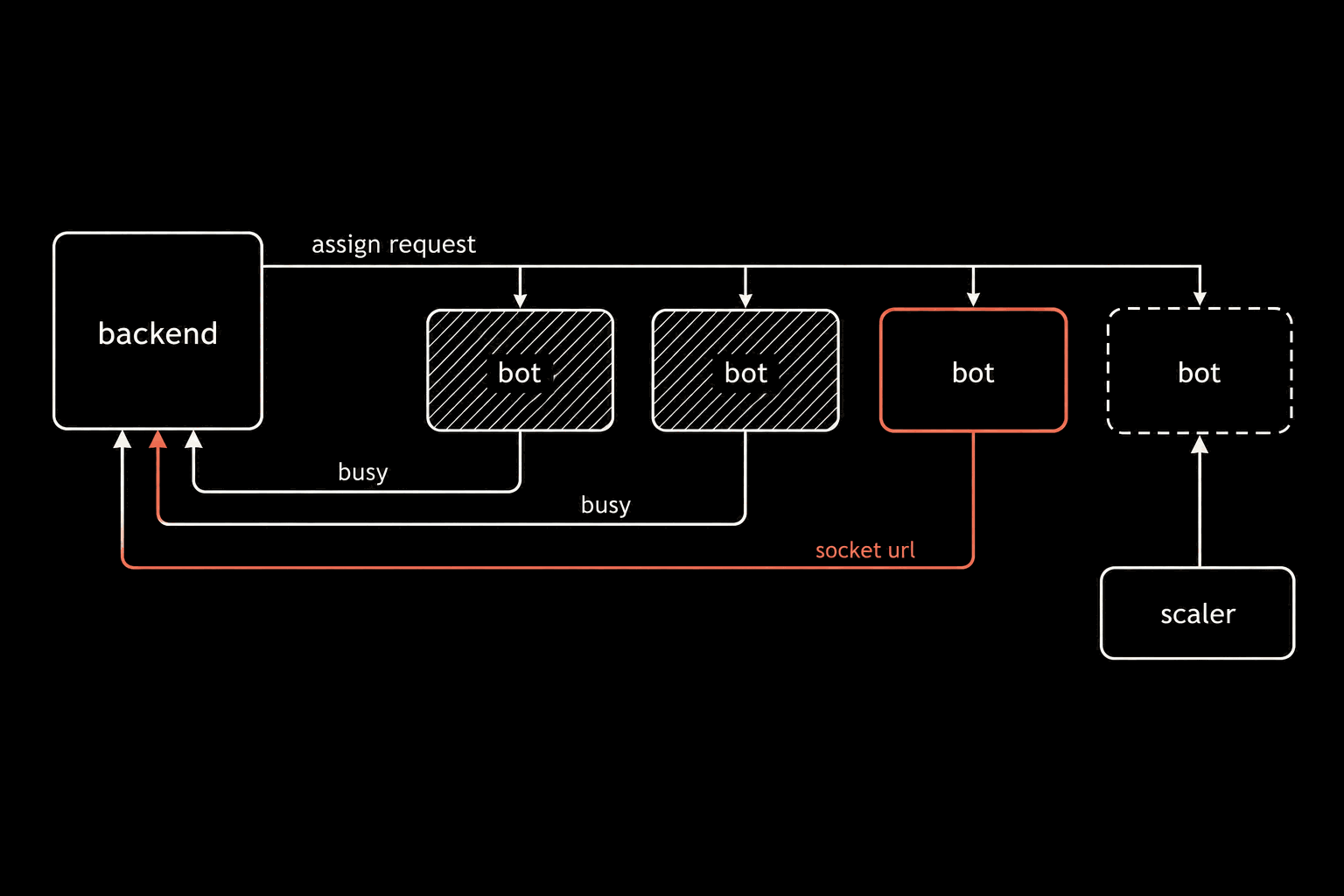
A call is claimed by one bot from a warm pool already waiting, not by a process that starts when the phone rings. How the claim and the sizing work.
Developers
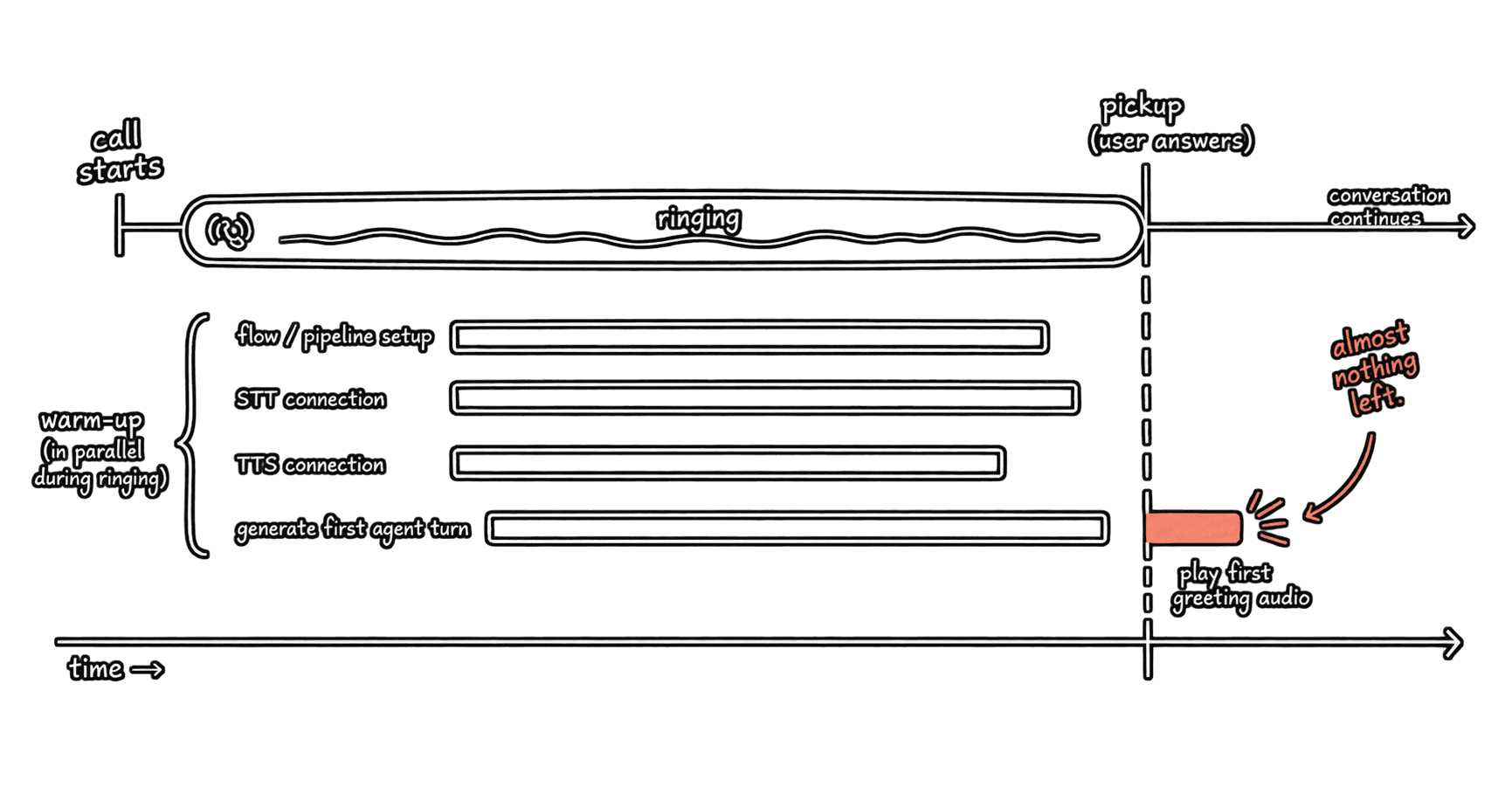
Voice agent latency on Talkif is a 380 ms median to first audio, because the sockets and the first LLM turn are ready while the phone rings.